Beyond Governance: Hardcoding the Geneva Conventions into AI
Following a discussion at Davos about the need for pragmatic approaches to AI, I had a chance to catch up with Kenneth Cukier. He offered a specific, albeit crazy (his words), proposal that perfectly illustrates what a pragmatic approach looks like
3RESPONSIBLE AI
Kevin Rad
1/29/20261 min read
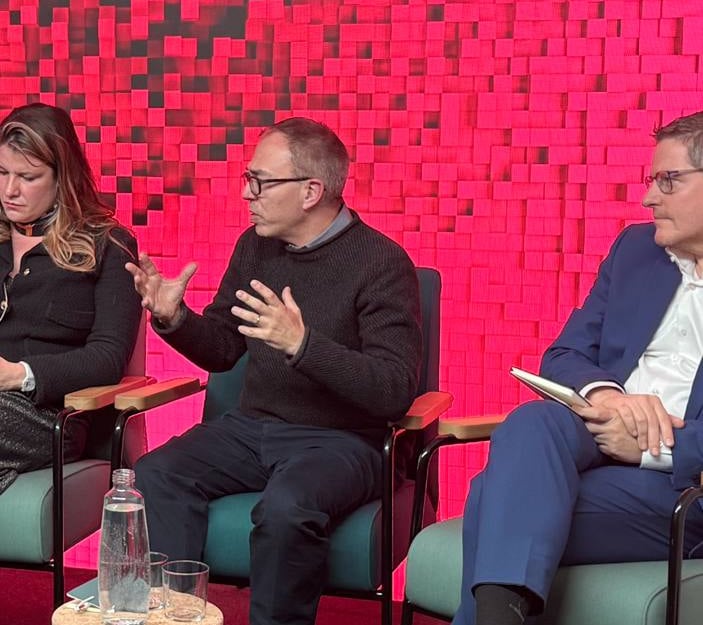

Kenneth Cukier, from the Economist, offers a specific, albeit crazy (his words), proposal that perfectly illustrates what a pragmatic approach looks like.
Encode the Geneva Conventions in military AIs.
I think it is brilliant.
It is a simple sentence that carries profound weight. It suggests that the future of international humanitarian law isn’t just found in signed treaties, but in the source code of the systems we build.
The Power of Ethics by Design
For decades, the Geneva Conventions have relied on human training and the threat of prosecution to ensure compliance. In the age of AI, that is no longer sufficient. If an autonomous system operates at speeds beyond human intervention, the rules must be local to the machine.
Encoding these conventions is a nice, pragmatic step because it speaks the language of the developers. It turns a legal obligation into a technical requirement. It shifts the conversation from 'What should we allow?' to 'How do we build the No directly into the system?'.
The Necessary Controls
Of course, this isn't a set-and-forget solution. Hardcoding ethics requires:
Auditability: How do we prove the code actually follows the law in edge cases?
Resilience: How do we prevent these "ethical layers" from being bypassed or "jailbroken" during a conflict?
Standardisation: Whose interpretation of the Geneva Conventions gets encoded?
Is It Enough?
While this is a significant step forward, we must remain critical. Can seven words or a million lines of code truly handle the moral ambiguity of a battlefield? Law is often about context and intent—two things AI still struggles to grasp.
Encoding the law is a vital floor, but it cannot be the ceiling. We need these technical measures to work in tandem with the high-level governance we discuss.
The Missing Link
Cukier’s idea is an actionable missing link. It takes the high-level values of the Council of Europe and gives them a technical blueprint. We may not have all the answers yet, but starting with the intent to hardcode our humanity into our machines is one significant step to ensure we don't lose it in the process.
© 2024. All rights reserved.



Delivered from
Switzerland